Clip Art or Other Graphic to a Minimum of 3 Slides
eleven Designing Instructional Materials
Introduction
Frequently, our lessons will be accompanied by instructional materials such as slide decks, videos, handouts, and worksheets. Used well, these materials are integral to the session, and to be effective, they need the same conscientious level of planning and blueprint as the rest of our lesson. While creating high-quality materials takes time, the good news is you practice not need to be a graphic-design skillful to brand materials that are articulate, user friendly, and accessible to all audiences. This chapter outlines strategies for creating effective instructional materials. Information technology begins with some background on the cognitive processes that impact utilise and understanding of instructional materials and then outlines general best practices. The chapter concludes with design suggestions for a variety of materials. Specific attending is given to universal blueprint principles and accessibility of all materials.
Theoretical Background and Best Practices
Instructional materials typically provide a concrete and/or visual supplement to a session in the form of slides, handouts, and images. Because these materials often combine both visual and textual elements and often supplement an audio delivery such as a lecture, learners are asked to interact with both audible and visual data; therefore, some background on the cerebral processes that this feel entails can inform the design of materials. Perchance the most of import thing to consider when delivering information in multiple formats simultaneously is cognitive load, or the strain on learners as they attempt to concur data in retentiveness while also trying to process new information. Cognitive load "is a theory about learning built on the premise that since the encephalon can only practise so many things at once, nosotros should be intentional nigh what nosotros enquire information technology to do" (Heick, 2019). Clark and Mayer (2016, p. 35) place 3 issues that impact cognitive load:
- Dual Channels: Different parts of the brain are used to process visual and auditory information. When video and sound reinforce each other, as when images or text on a slide reinforce a speaker's point, learning is enhanced. All the same, if video and audio are misaligned, such as when slide text is unlike from the audio narration, the brain has to work harder, and learning tin can be negatively impacted. This is not to suggest that instruction should be delivered only in i format, but that we make informed decisions nigh how nosotros structure and present the information in different formats, as explained in more than item below. While the theory of dual channels is primarily applied to audiovisual materials like vox-over videos and tutorials, the concept is relevant when we are using textual and visual materials to support a live lecture or demonstration as well.
- Limited Chapters: Individuals tin can process a express corporeality of information in each channel at one time. As such, instructors must carefully select pieces of information to include and brand intentional decisions about how to present that information.
- Agile Processing: Learning happens when people tin can place and admission the important information in a lesson, procedure that data, and relate it to their prior knowledge. Good design tin can facilitate active processing.
The brain'south limited capacity impacts its ability to appoint in active processing and, hence, to larn. We can avoid cognitive overload and facilitate active processing by reducing or eliminating inapplicable data from our instructional materials. Clark and Mayer (2016) provide tips for lightening the cognitive load and maximizing active processing, organized around nine major principles. These principles are geared toward multimedia learning and are discussed in more depth in Chapter xvi, but several principles use to textual materials and visual aids:
- Coherence Principle: Omit unneeded words, sounds, and graphics.
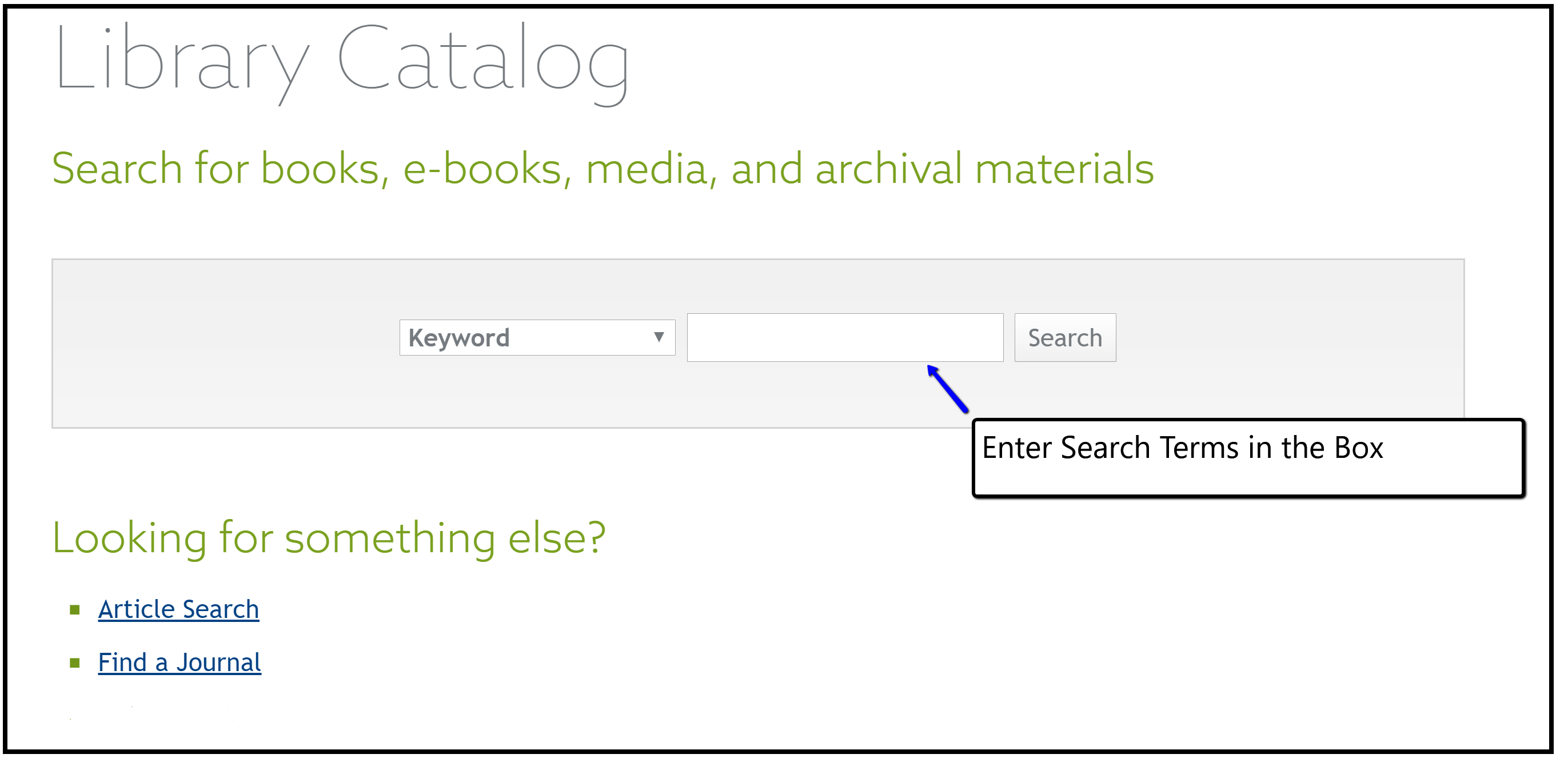
- Contiguity Principle: Place printed words next to the corresponding office of a graphic (see Effigy 11.one and Figure 11.2 for examples).
- Back-up Principle: Do not indistinguishable sound and on-screen text.
These principles emphasize the importance of minimizing extraneous content and streamlining presentation, which reduce cognitive load for learners. Managing the amount and presentation of information facilitates active processing and makes content more accessible. Cerebral load theory and the accompanying design principles draw on broader cognitive science learning theories introduced in Chapter 3, and some of the ideas probably audio familiar from other discussions in this textbook.
Figure 11.1: Example of Poor Contiguity in a Graphic
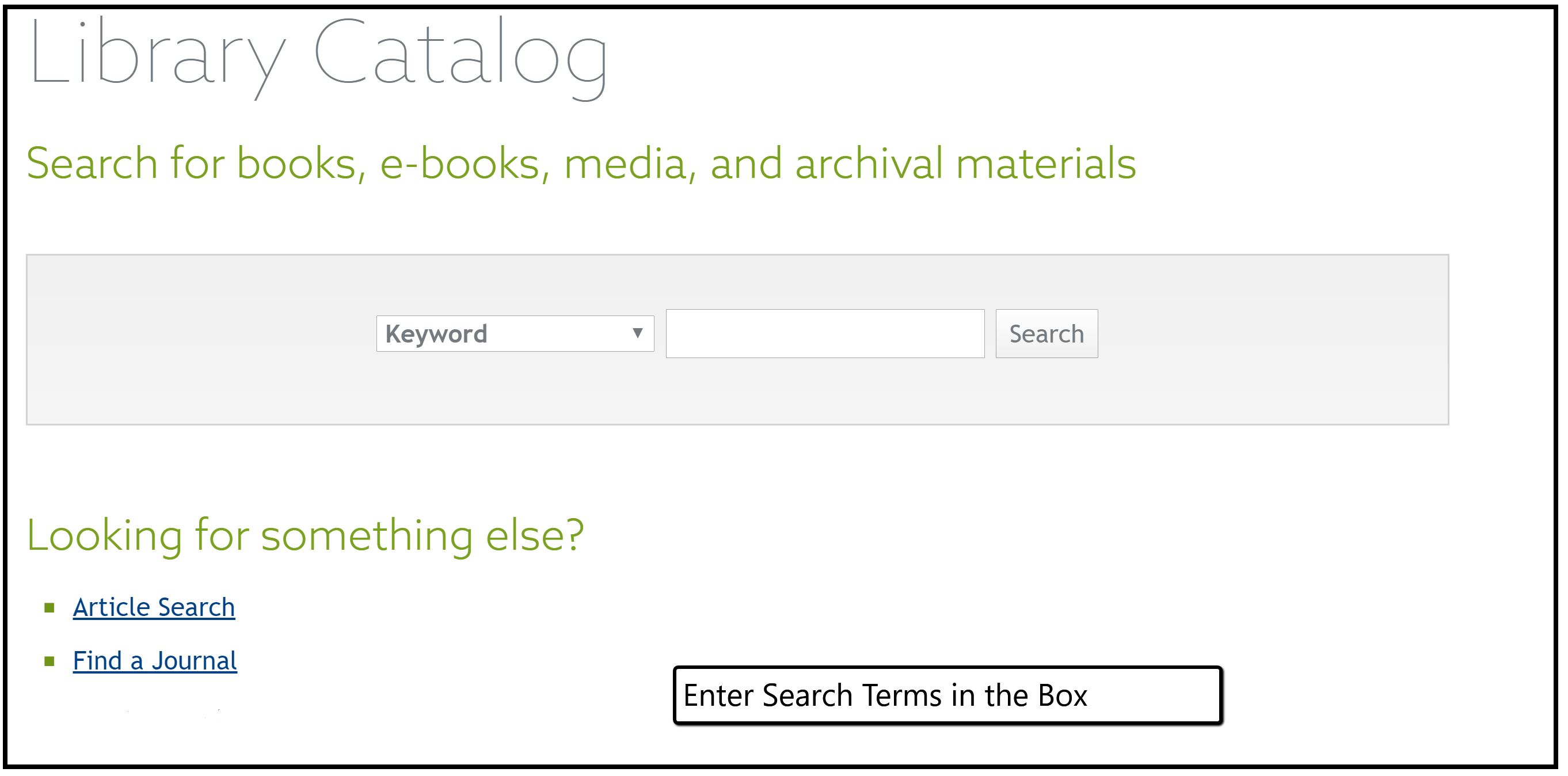
Figure eleven.2: Case of Appropriate Contiguity in a Graphic
Written Materials
Librarians produce many types of written materials, including brochures, pamphlets, reading lists, flyers, fact sheets, and informational guides. Written materials can be shared in difficult copy, such as handouts or worksheets to back-trail a workshop, or they tin can exist posted online to be read or printed out at the reader'south convenience. This section focuses primarily on written materials in hard copy merely will too address considerations for online materials.
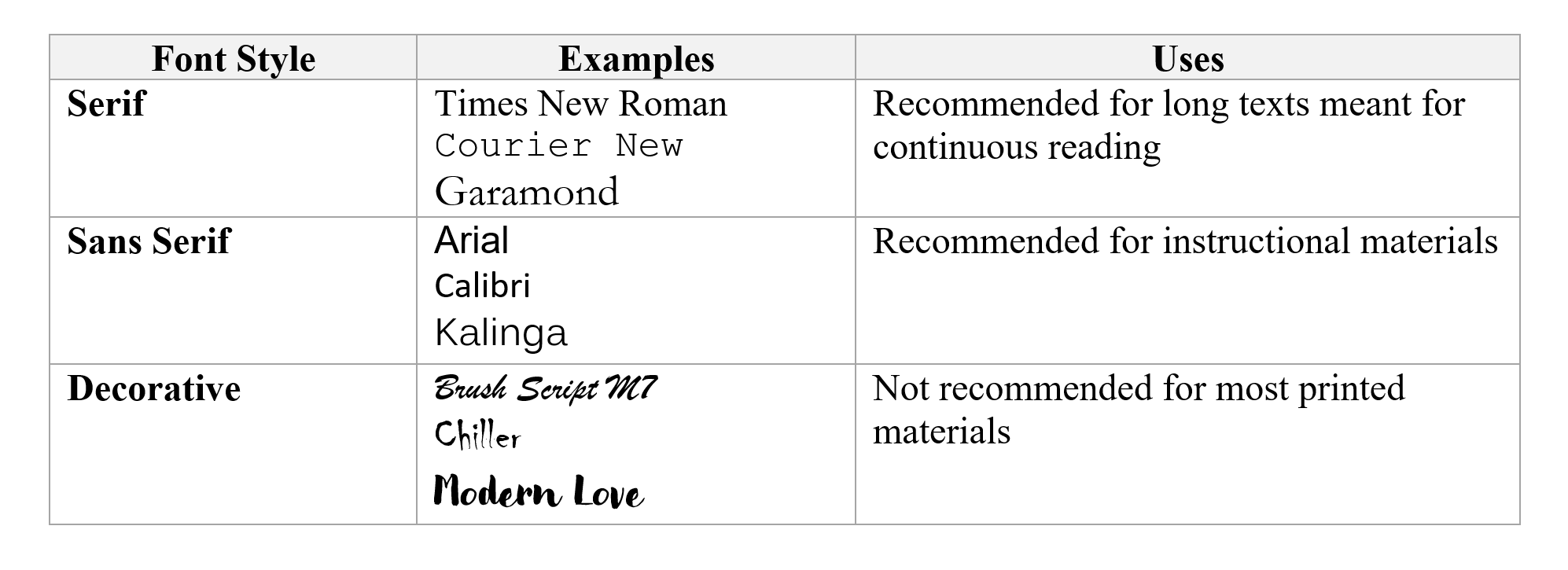
Since printed materials, unlike their online counterparts, cannot be manipulated by the reader or read aloud by a screen reader, we need to follow best practices to increase their accessibility and readability. Choosing an advisable font is the first step, and the focus should be on a clean, clear font with adequate spacing between letters (Kitchel, 2011/2019). The main choices for font are betwixt serif and sans serif. The characters in serif script have an actress line or decorative stroke on the edges. Pop examples include Times New Roman and Courier. Sans-serif characters are made upwardly of direct lines. Examples of sans-serif fonts include Arial and Calibri.
Although there is trivial research to advise that font style essentially impacts reading speed or comprehension for nigh readers, people tend to express a preference for serif fonts, which are ofttimes recommended for long blocks of text such as textbooks (dos Santos Lonsdale, 2014). Notwithstanding, sans-serif fonts are recommended for people with visual and other disabilities (Kitchel, 2011/2019), and enquiry suggests these fonts might increase comprehension besides as readability for people with certain disabilities (Wilson & Read, 2016). As such, sans-serif fonts are best for the written materials we are likely to use in our instruction.
We should avoid the utilise of fonts with unusual features or ones that might misconstrue when printed or copied. These include fonts with fine lines or a mix of thick and sparse lines; those with small internal spaces, such as the openings in a lowercase "b" or "d," as these might make full in when printed or photocopied; and condensed fonts, or those in which individual letters touch each other (dos Santos Lonsdale, 2014). In general, we should avoid any decorative font that is meant but to "dazzle" and which "calls attention to itself rather than to the text" (dos Santos Lonsdale, 2014, p. 33). Effigy eleven.3 summarizes the considerations for font selection and provides some examples of unlike types of font.
Figure 11.3: Font Examples and Use
In addition to choosing an appropriate font, the American Printing House for the Blind (Kitchel, 2011/2019) recommends several other best practices for accessible print materials for all readers:
Font Size
The general recommendation is for 12-signal font; 18-point font is considered large type and might be suitable for older adults and people with certain visual disabilities. Different fonts nowadays differently, so we should experiment to find the appropriate size for our called font.
Adequate White Space
Substantial amounts of white infinite around text and graphics make printed materials easier to read. To avoid dense, crowded handouts, use at least one-inch margins and blocked paragraphs with infinite between each cake, rather than continuous paragraphs with indents.
Minimal Text
Avoid dumbo blocks of text whenever possible. Keep language elementary and straightforward and eliminate unnecessary information. Use lists and bullet points to intermission upwardly text and increment white space. When appropriate, employ graphics in place of text. For instance, rather than describing a display screen, include a screen shot.
Headings and Subheadings
Headings and subheadings help break up the text and increment white space. They likewise act as a navigational guide for the reader, providing an outline of the topic and its master points.
Highlighting Text
If nosotros need to highlight or emphasize text inside a block, we should use assuming or underline, equally italics are harder to read. Colored text is also problematic. Lighter colors do non provide enough contrast against the background, making the text harder to read. Also, some readers cannot distinguish color, and so we should never utilise color to convey pregnant. While bold and underlining are recommended, they should be used sparingly equally they tin can distract the reader and interrupt the flow of the text.
Charts, Graphs, and Visual Elements
The best practices highlighted here apply to charts, graphs, figures, and other supplements, including the legends or captions that accompany them. These elements should be presented in the same size font as the main text, with acceptable white space. The figure or chart itself should be of adequate size to be hands read and interpreted. It is better to motility a nautical chart or figure to a new page than to reduce the size to fit it on an existing page. Visual elements are addressed in more detail after in this affiliate in the section on visual aids.
White Paper, Blackness Text
Materials should exist printed on white newspaper with blackness text, every bit the loftier contrast makes for easier reading. If y'all must use colored paper, select a light color, such equally pale yellow.
Accessibility of Written Materials Posted Online
We might post some of our instructional materials online to make them available later the session ends and to learners unable to attend sessions. In some means, written materials are more attainable online than in print considering learners can manipulate the document to increment text size and brightness or use screen readers. Best practices for printed materials by and large use equally well to written materials posted online. However, in that location are a few additional considerations for making online materials accessible.
Headings and subheadings are very of import to online documents. Without these headings, a screen reader volition read the page as ane continuous narrative. However, with online materials, we cannot rely on using assuming lettering and different size fonts to signal headings and subheadings, equally we might with printed materials. Instead, we must use the headings role built into well-nigh give-and-take-processing programs. This technique will allow screen readers to recognize headers and subheaders, thus aiding in document navigation. In addition, these functions usually add some additional white space around the header, improving the overall appearance and readability of the document even when printed (Accessible U, 2019a). Similarly, we should use the word processor'southward built-in functions for bullets and numbered lists.
If the document includes hyperlinks, the links should be embedded into the certificate, rather than giving the URL in the text (Accessible U, 2019b). Screen readers will read every graphic symbol in the link, frustrating the listener and breaking up the flow of the text. Even in print, including the URL breaks up the text and interrupts the period. Most word processors will have an option to embed a hyperlink into the text and then when the document goes online, users can click the text to follow the link. Since users cannot follow the link in printed materials, y'all can include a list of URLs in a reference section at the stop of the document. We should also avoid using phrases like "click here" as a link, but instead include some descriptive text with the link, so readers know what they volition find if they make up one's mind to follow it. Following are examples of appropriate treatment of links in written materials.
Poor Practice:
- Why We Fall for Fake News (https://www.cits.ucsb.edu/faux-news/why-we-fall) explains cognitive bias.
- Fake news often preys on people's cognitive biases. Click here to learn more.
Better Practice:
- Fake news often preys on people'due south cognitive biases. The article Why We Fall for Fake News, from the Middle for Information Technology at UC Santa Barbara, explains different types of cognitive biases and how they influence our thinking.
Visual Aids
Visual aids are instructional materials that include elements such equally images and graphics. More than than just a supplement to written learning materials, when used well, visual aids tin can lead to ameliorate learning. As Clark and Mayer (2016, p. 77) explain, "people learn more securely from words and pictures than from words lonely." Meaningful graphics often can replace some text, further reducing cerebral overload. Nonetheless, not all visual elements are equal, and when they are non used properly, they tin detract from learning. We might think that adding some pictures or prune art to a handout or a slide will make the materials more engaging for the learner. Only if the visuals are just included to make the materials "pretty," the learner will waste cerebral energy processing the visual textile without gaining new information or meaning. So, how do we use visual elements to increase learning?
Meaningful visual elements evidence relationships amidst concepts, depict processes, organize information, and interpret information (Clark & Mayer, 2016). For case, a visual aid could characterization elements of a figure, such as search fields in a itemize or the parts of a commendation. Graphs and charts tin can condense complex quantitative and relational information into clear visuals. Flowcharts can illustrate processes, and organizational charts can show relationships among unlike entities. In each example, the visuals are conveying information, often using minimal text. Figure 11.4 and Figure 11.v prove two examples of instructional materials. Both describe the peer review procedure, only they are non as constructive.
Figure 11.4: Example of a Poorly Designed Visual Aid
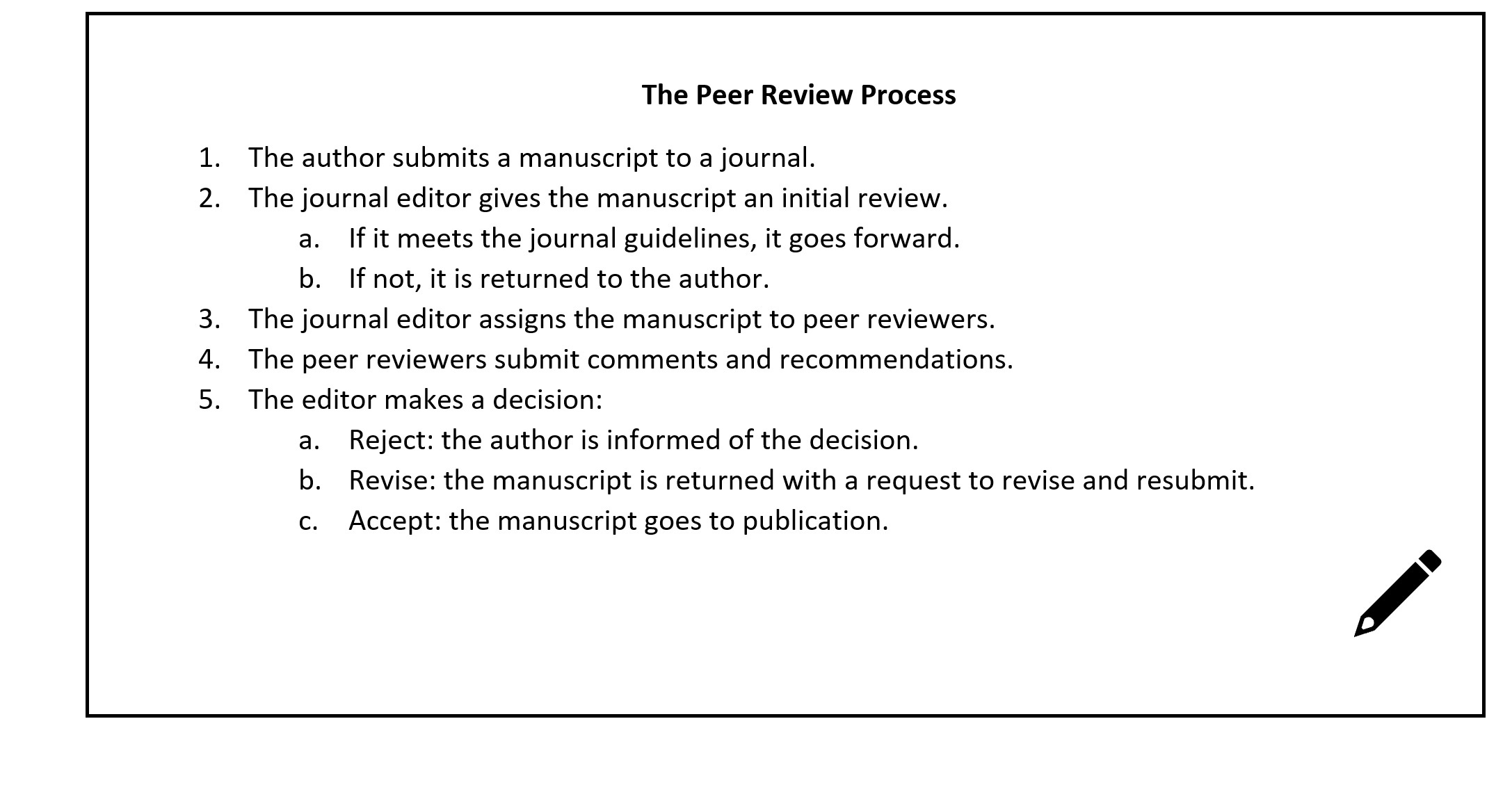
Figure 11.5 Example of a Properly Designed Visual Assist
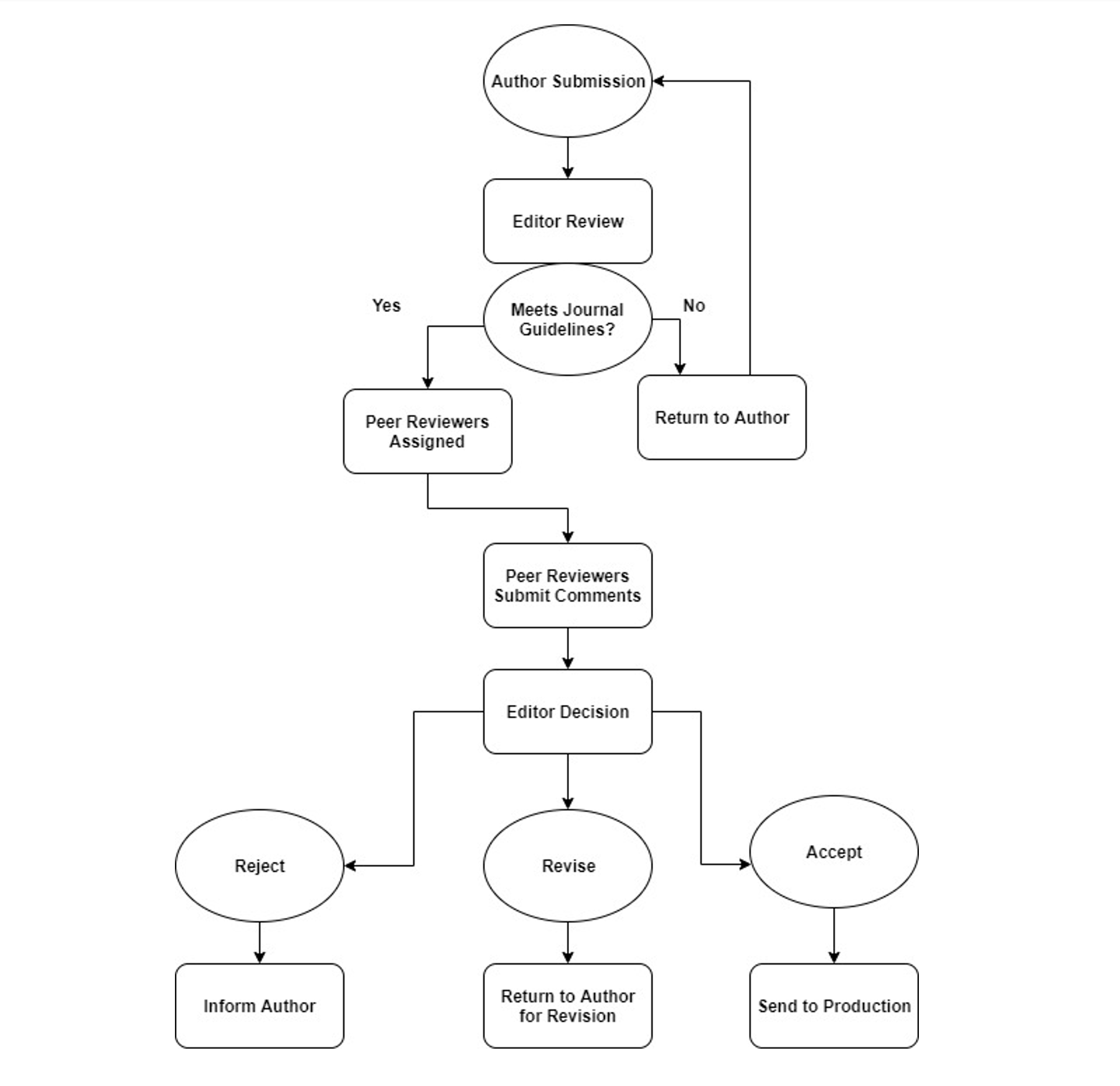
High contrast between the background and the graphic are of import (Clan of Registered Graphic Designers of Ontario, 2010). Blackness-and-white graphics with bold lines are best, just if you use colour, cull highly contrasting colors, such as nighttime lines against a light background. In general, avoid grayscale and light colors. Again, colors should not be used to convey meaning because that significant would be lost to people who are using screen readers or who are unable to differentiate colors. In keeping with the contiguity principle mentioned earlier in this chapter, when visual aids combine text and graphics, the text should exist placed adjacent to the relevant part of the graphic to reduce the endeavour needed to connect the concepts.
Commonly available discussion-processing tools such as Microsoft's Discussion or Google Docs unremarkably are sufficient for creating basic handouts, and Give-and-take's Illustrations function offers some options for creating simple graphics to draw workflows, hierarchies, and other relationships. Nevertheless, both Word and Google Docs have limited capabilities for creating and integrating more complex visuals and offer minimal control over the formatting and placement of elements within a figure. Several gratuitous and low-toll options be for more complex and visually appealing figures. For example, the flowchart depicted in Figure 11.5 was created in Draw.io, an open-source software for creating diagrams. Canva is a popular publishing and graphic-pattern tool that offers a free pick and can be used to create slick handouts, brochures, and flyers. Other tools include Inkscape, TechSmith Capture (formerly Jing), Stencil, and PicMonkey. See Activity xi.1 for a brief exercise related to creating written materials.
Action 11.ane: Creating Written Instructional Materials
Imagine you are developing an information parcel to be shared with new patrons at your library. Choose i of the examples below and develop a brief guide to exist included in the parcel. Consider using one of the free design tools mentioned in this chapter (Canva, Draw.io, Inkscape, etc.).
- Submitting an interlibrary loan request
- Creating an e-mail account in a gratis service like Gmail
- Downloading a volume on Overdrive
- Searching the library catalog or a library database
If possible, exchange materials with a partner and critique each other'south work.
Questions for Reflection and Discussion:
- Exercise you see examples of the best practices from this chapter?
- Are visuals used to their all-time outcome?
- Do the font type and size seem appropriate?
- Could you offer any suggestions for improvement?
Charts, Graphs, and Tables
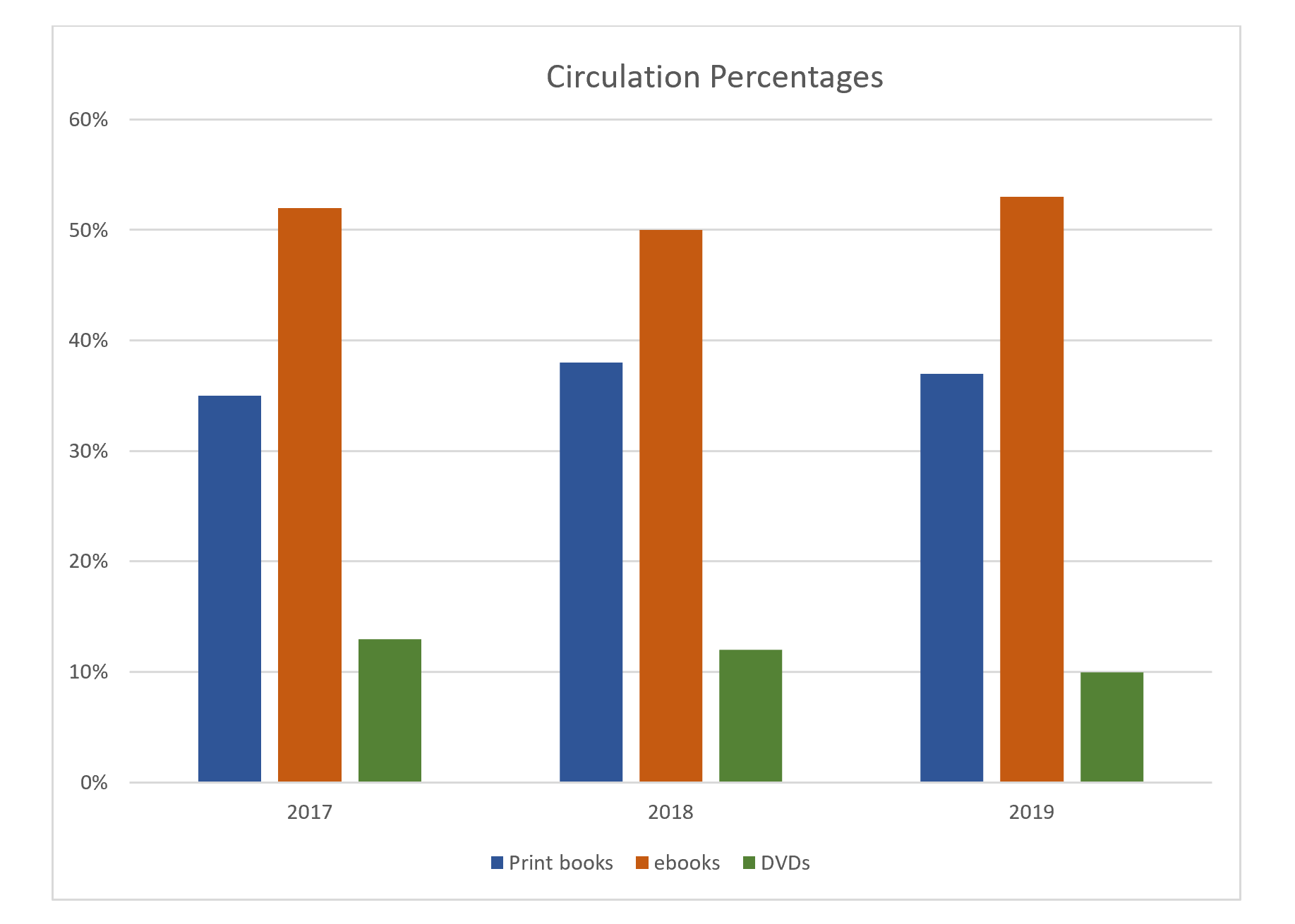
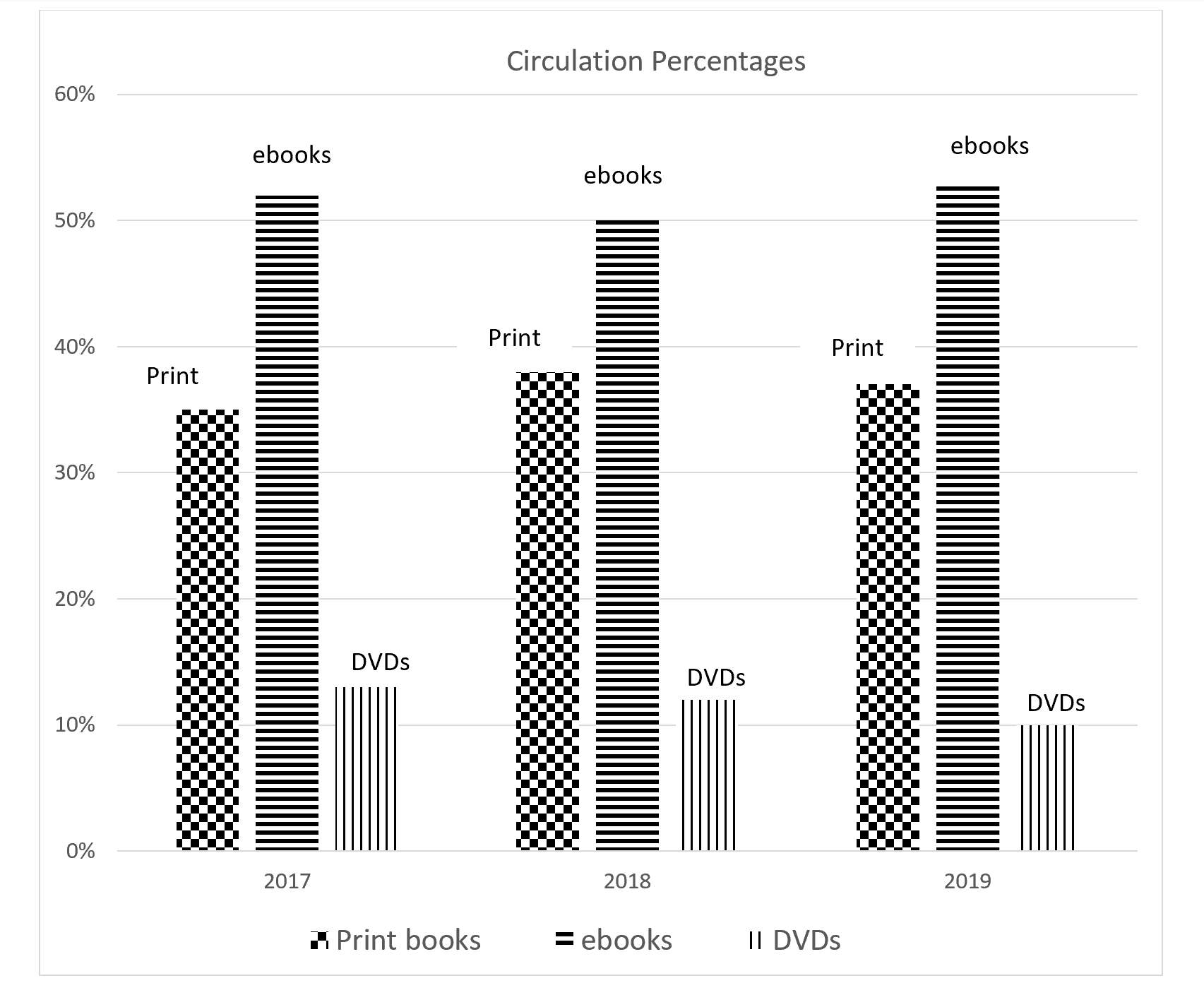
Charts, graphs, and tables are excellent ways of organizing and presenting information. Charts and graphs, in particular, can brand complex information more than comprehensible than it would exist in raw-data form, and can brand relationships amidst variables more readily apparent. However, these visuals also crave some special considerations. Charts and graphs often use color to convey meaning. We tend to use color-coded lines or bars on graphs to correspond to different variables, or shade regions of a map to represent information, such as population density. To make these materials accessible, we tin use patterns—such as dots of varying size and stripes of varying density and management—rather than colors to differentiate variables. Another selection is to use i color and vary the shade, rather than using dissimilar colors. Often, unlike colors have similar levels of brightness and will appear almost identical when rendered in grayscale or viewed by colour-blind readers. Using a single color but highly varied levels of brightness volition brand the figures readable even if the reader cannot distinguish the color. However nosotros decide to return the figures, labeling relevant parts of the graphic reduces the demand to rely on colors and a legend to understand the figure (It Accessibility Group, 2019a). See Figure 11.6, Effigy xi.7, and Figure xi.8 for examples of inaccessible and accessible figures, based on apportionment rates of materials at a public library.
Figure xi.half dozen: Nautical chart Using Color to Convey Meaning
Effigy 11.vii: Chart Using Dissimilar Shades of the Same Colour to Convey Meaning
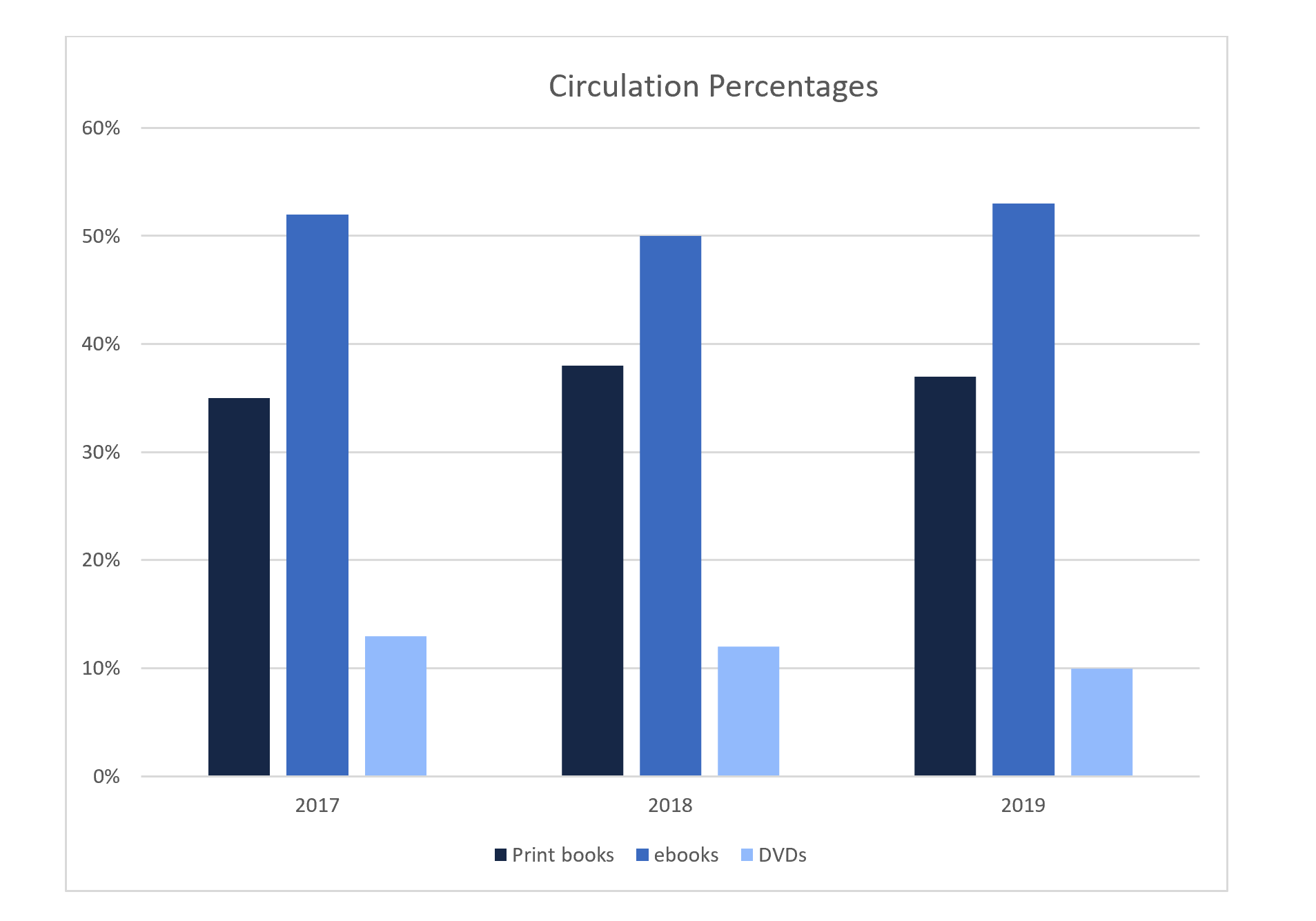
Figure xi.eight: Chart Using Patterns to Convey Meaning
Tables can also nowadays some difficulty for users with disabilities and those using screen readers. Gridlines, meant to assist organize table elements, can be distracting to the eye. Using a softer greyness color for the gridlines and blackness for the tabular array elements can assist the data stand up out while still providing a visual guide for the center. Similarly, we can alternate table rows with gray background fill and no fill up, but in this case, we demand to choose a very soft shade of greyness to ensure enough contrast for the text to be readable (Agency for Healthcare Enquiry and Quality, 2019). Nosotros should besides designate header columns and rows, so screen readers can distinguish betwixt cavalcade and row labels and the data in the rest of the row or column (WebAIM, 2017).
Images and Photographs
Like other visual aids, images or photographs should be clear, bright, and of acceptable size. If possible, crop large images to include only the relevant parts. Cropping reduces inapplicable information, and you may exist able to enlarge the cropped image for easier viewing. Only exist aware that resizing images can impact their quality and accessibility. If the prototype becomes also small, details might be lost; however, some images will pixelate and lose clarity when enlarged.
While written material is frequently more accessible online, where readers tin can enlarge fonts or use screen readers, visual materials can nowadays challenges: images might not load; screen readers cannot e'er translate the content of visuals, especially images; and some viewers who tin see well otherwise might not tolerate certain visuals, such as animations (Accessibility at Yale, 2019). To ensure accessibility, images and photographs posted online should be accompanied by brief, explanatory notes known as alt text. Alt text should describe the image and the content information technology is meant to convey within the context of the instruction, with a focus on salient points. Alt text is meant to be brief, and, ideally, should exist no more than than 125 words. In keeping with the coherence principle, we should avoid images and graphics that are purely decorative, only if such images are used, then the alt text tag tin can be entered as "null." If a visual is circuitous and requires a lengthy description, experts suggest embedding that description in the text and using the alt text tag to direct the reader to that description (IT Accessibility Group, 2019b). Affiliate 16 covers alt text in more depth.
Slide Decks
Slide presentations, such as those created in PowerPoint and Google Slides, remain popular in both face to face and online instruction. In addition to slides helping instructors stay organized and on topic, some research suggests that admission to lecture slides before a lesson can meliorate learning (Marsh & Sink, 2010; Motagi & Dharwadkar, 2018). Learners also express a preference for handouts accompanying lectures (Stacy & Cain, 2015). By providing some of the main content, these handouts might reduce the need to take as many notes, thus freeing students to listen more closely to the lecture. In fact, Marsh and Sink (2010) institute that learners who had access to lecture slides took fewer, but higher quality, notes. Several best practices utilize to slide decks:
- Apply highly contrasting colors for the groundwork, text, or graphics, and keep the groundwork design plain.
- Use the predefined slide layouts, as these are usually designed to work with screen readers (Accessible U, 2019c).
- Use clean, easy-to-read fonts, and make certain the font size is big enough to be seen past people in the back of the room.
- Use articulate graphics and images, and brand sure graphics are large plenty to be seen by people in the back of the room. As noted above, be certain to include alt text for images and graphics.
- When possible, crop images to bear witness just relevant areas. As necessary, use arrows or boxes to describe attention to relevant parts of the graphic.
- Keep animations and slide transitions to a minimum (TED Staff, 2014).
- In keeping with the coherence principle mentioned earlier, do not include any unnecessary words or images on the slides (Clark & Mayer, 2016).
- In keeping with the redundancy principle, employ graphics instead of on-screen text in slide decks (Clark & Mayer, 2016). This practice reduces cognitive load by eliminating the need for students to reconcile the written text with what they are hearing in a lecture or demonstration. Also, if both text and graphics are used, we can overload the visual aqueduct. Notwithstanding, text can be included in sure situations:
- A few key words to reinforce concepts and ideas
- When terms are technical, unfamiliar, lengthy, and/or needed for hereafter reference, such every bit a mathematical formula, or steps in a procedure
- If you include labels for graphics, place the words next to the relevant function of the graphic.
Meet Action 11. 2 for a brief activity on slide decks.
Activity 11.ii: Creating Effective Slide Decks
The presentation Quite Possibly the World'south Worst PowerPoint Presentation Ever consists of a serial of paired slides. The beginning slide in a pair illustrates at least one example of bad pattern, while the second slide identifies the design issue and how to gear up information technology. As you look at each pair of slides:
- See if you lot can place what is wrong with each "problem" slide earlier advancing to the reply.
- Suggest ways you could fix each slide to reverberate ameliorate blueprint principles.
- Exercise yous notice whatsoever bug non addressed in the answer slide?
Videos
Videos are a popular instructional tool and are discussed at length in Chapter 16. As such, this section will provide only a brief overview.
Videos should be articulate, accessible, and engaging, merely they exercise not demand to be fancy and full of complicated or high-tech add-ons. In fact, equally with near instructional materials, less is commonly more than. Nosotros practise not necessarily need expensive equipment to create effective instructional videos. Merely a estimator, webcam, and headset with a microphone will suffice. If necessary, we can use a figurer's built-in sound system to tape, but a dissever microphone usually provides clearer audio, while a headset helps to reduce groundwork noise.
Following the coherence principle, eliminate any inapplicable spoken or written words or images. Focus on sound narration with images for support, rather than on-screen text. When text and graphics are used together, the text should align with the relevant portions of the graphic (Clark & Mayer, 2016).
Closed captioning is crucial to make videos attainable to learners with hearing disabilities and, as with all universal design techniques, can amend accessibility for all learners. Some students might non accept access to devices with audio equipment or might need to view the videos in noisy areas, like on a railroad train. These learners will as well appreciate airtight captioning. The captions should appear on screen and in sync with the video. Some video software packages offer machine-captioning, simply the accuracy of the automatically generated text rarely meets requirements for accessibility, and then we should exist prepared to edit.
Finding Existing Instructional Materials
Most of this affiliate assumes that we will be creating our ain instructional materials, and homegrown materials have the advantage of beingness completely customizable. Nonetheless, creating materials from scratch is not always necessary and, at times, may non be feasible. Complex images and sophisticated multimedia tutorials can be engaging, but they besides require time, knowledge, and equipment to create. Rather than developing these materials on our own, we might search online repositories for existing materials. The ACRL Framework for Data Literacy Sandbox provides access to a wide variety of materials on information-literacy topics, including slide decks, worksheets, and multimedia tutorials. Many libraries post freely attainable tutorials on their websites. YouTube provides access to videos on an immense range of topics, including TED Talks on a number of relevant education topics. Nosotros can also search repositories similar Flickr, Google Images, and Pixabay for photographs and images. Some information settings will also have access to subscription sources of videos and tutorials. For instance, LinkedIn Learning offers tutorials on a broad range of applied science and business organization topics.
Copyright
Whenever nosotros use instructional materials created by someone else, nosotros must be certain we are following all relevant copyright guidelines. Copyright protection means that, in full general, we cannot utilize other people's work without their permission. Currently in the U.s., creative works are subject to 96 years of copyright protection; thus, equally of 2020, works created after 1925 are covered by copyright. After 96 years, works enter the public domain, and they are free to utilise without restriction. While reuse of copyrighted materials for noncommercial, educational purposes is oftentimes protected past fair use, such protection is not guaranteed, and there are limits to fair utilise. Four factors are usually used to determine whether fair use exceptions apply to a specific circumstance (Copyright.gov, 2019):
- Purpose and character of the apply. By and large, nonprofit, educational utilize of copyrighted materials is covered by fair use while commercial employ or employ of the textile that volition issue in a profit for the user, is non. The government warns that not all educational or nonprofit use will be covered by fair use, nor will all commercial use necessarily be exempt from fair use, simply instead, "courts will balance the purpose and character of the apply against the other factors" (Copyright.gov, 2019). Transformative employ, or use that adds something new to the work for a different purpose, is more likely to be considered off-white use than apply that is non transformative.
- Nature of the copyrighted piece of work. Technical and factual materials are more likely to autumn nether fair use than artistic materials such every bit poems, songs, and artwork.
- Amount and substantiality of the portion used in relation to the copyrighted work every bit a whole. In determining fair use, courts consider the quantity and quality of the material used. Larger excerpts or excerpts that correspond the "middle" of the work are less likely to be covered by fair employ.
- Effect of the use upon the potential marketplace for or value of the copyrighted work. Part of the purpose of copyright is to protect the creator's correct to profit from their piece of work. If reuse of the cloth volition injure the market for the original work, information technology is less likely to autumn nether fair use.
If we determine to reuse existing materials, we must use all iv factors to determine if we are protected by fair use. When in doubt, information technology is always best to request permission.
We should besides be sure to check the licensing agreement for any cloth we apply. Some creators choose to share their copyrighted materials by using less restrictive forms of licensing, which allow for more opportunity and flexibility for reuse by others. Creative Commons enables creators to cull from several unlike licenses. The to the lowest degree restrictive requires simply that the user attribute the material to the creator. Other licenses permit reuse for noncommercial purposes, limit derivative works, require users to share any derivative work they create through a like open license understanding, or some combination of these options. If the piece of work nosotros wish to utilise has a Creative Commons license, we can by and large reuse it without permission, provided we follow the licensing restrictions and requirements. If we do not see a Creative Commons license, we should assume the material is protected by traditional copyright restrictions.
Decision
Instructional materials, both written and visual, are an integral part of instruction and, when used appropriately, can engage learners and deepen learning. Creating effective instructional materials takes time and perhaps some practice, but it does non crave expensive equipment nor expertise in graphic pattern or multimedia tools. The major all-time practices and takeaways from this chapter are every bit follows:
- Our brains process visual and auditory materials through 2 different channels. Integrating visual materials so that they back up, rather than compete with, our lectures and demonstrations reduces cognitive load and tin can increase learning.
- In general, the all-time materials are unproblematic, clean, and straightforward. We should reduce whatsoever extraneous words and images from our instructional materials.
- Nosotros should always ensure our instructional materials are accessible to all learners, including providing alt text for images and closed captions for videos.
- When reusing existing materials, we must be certain to adhere to appropriate copyright restrictions.
See Activity 11.three for a brief exercise on instructional materials.
Activity 11.3: Critiquing Instructional Materials
Search online to find examples of instructional materials from the blazon of information setting in which you would like to work and take a moment to review them.
Questions for Reflection and Discussion:
- Tin can you find examples of the principles and best practices discussed in this chapter?
- Can you lot find whatsoever room for improvement related to those principles and all-time practices?
Tools
Canva. https://www.canva.com/
Draw.io. https://world wide web.draw.io/
Flickr. https://www.flickr.com/
Google Docs. https://drive.google.com/
Google Images. https://www.google.com/imghp?hl=en
Google Slides. https://www.google.com/slides/near/
Inkscape. https://inkscape.org/
LinkedIn Learning. https://www.linkedin.com/learning
PicMonkey. https://www.picmonkey.com/
Pixabay. https://pixabay.com/
PowerPoint. https://world wide web.microsoft.com/en-us/microsoft-365/powerpoint
Stencil. https://getstencil.com/
TechSmith Capture. https://world wide web.techsmith.com/jing-tool.html
Word. https://world wide web.microsoft.com/en-us/microsoft-365/word
YouTube. https://www.youtube.com/
Suggested Readings
Accessible U. (2019). Showtime small, start now. University of Minnesota Role of Disability Resources. https://accessibility.umn.edu/start-pocket-size-start-at present
The Function of Disability Resources at the University of Minnesota offers a number of guides on creating accessible materials. Each guide is brief, clear, and like shooting fish in a barrel to understand. Whenever possible, the role includes step-by-pace instructions for specific software packages, such as YouTube or Google Slides. Some guides are supplemented by videos and multimedia tutorials.
Association of Graphic Designers of Ontario. (2010). Admission ability: A applied handbook on attainable graphic pattern. https://www.rgd.ca/database/files/library/RGD_AccessAbility_Handbook2010_.pdf
This concise handbook offers practical advice for creating attainable print and web materials. A third section focuses on accessibility of physical spaces. Each section is supplemented by an interesting example study.
Clark, R. C., & Mayer, R. E. (2016). eastward-Learning and the scientific discipline of instruction (quaternary ed.). John Wiley & Sons.
Experts in the area of elearning, the authors provide an overview of how people learn through audio and visual channels, lay out the 9 principles of best practice for instructional design, and devote a chapter to applying each principle. Additional chapters explore collaborative learning and gaming. Each chapter is grounded in research simply likewise offers enough of practical advice and examples.
Inman, J., & Myers, S. (2018). Now streaming: Strategies that improve video lectures. Thought Paper #68. Idea Eye, Inc.(ED588350). ERIC. https://eric.ed.gov/?id=ED588350
This brief report offers clear and straightforward advice for creating effective and attainable videos.
Stony Brook Academy Libraries. (2019, September 18). Copyright, Fair Apply, & the Artistic Commons: Dwelling house [LibGuide]. https://guides.library.stonybrook.edu/copyright/home
This LibGuide gives a thorough yet concise overview of copyright concerns, including an introduction to fair utilise guidelines and Creative Eatables licenses. The guide includes tools for helping to decide fair use, a list of tutorials on copyright, and additional information on related topics such equally the TEACH Act, open admission, and orphan works.
References
Accessibility at Yale. (2019). Images. Usability & Web Accessibility. https://usability.yale.edu/web-accessibility/articles/images
Accessible U. (2019a). Headings. Academy of Minnesota Role of Inability Resources. https://accessibility.umn.edu/core-skills/headings
Accessible U. (2019b). Hyperlinks. University of Minnesota Office of Disability Resource. https://accessibility.umn.edu/core-skills/hyperlinks
Accessible U. (2019c). Google slides. http://accessibility.dl.umn.edu/presentations/google-slides
Agency for Healthcare Research and Quality. (2019). Six tips for making a quality report appealing and like shooting fish in a barrel to skim. https://world wide web.ahrq.gov/talkingquality/resources/pattern/general-tips/alphabetize.html
Association of Registered Graphic Designers of Ontario. (2010). Access ability: A practical handbook on attainable graphic pattern. https://www.rgd.ca/database/files/library/RGD_AccessAbility_Handbook2010_.pdf
Clark, R. C., & Mayer, R. E. (2016). eastward-Learning and the science of instruction: Proven guidelines for consumers and designers of multimedia learning (4th ed.). John Wiley & Sons.
Copyright.gov. (2019). More information on fair use. https://www.copyright.gov/off-white-utilize/more-info.html
dos Santos Lonsdale, Grand. (2014). Typographic features of text: Outcomes from enquiry and practise. Visible Language, 48(3), 29-67.
Heick, T. (2019, November 7). What is cerebral load theory? A definition for teachers. Teach Thought. https://www.teachthought.com/learning/cognitive-load-theory-definition-teachers/
Kitchel, J. E. (2019, September eleven). APH guidelines for impress document blueprint. American Press House for the Blind. (Original piece of work published August 2011) https://www.aph.org/aph-guidelines-for-impress-document-design/
Marsh, East. J., & Sink, H. Due east. (2010). Access to handouts of presentation slides during lecture: Consequences for learning. Practical Cognitive Psychology, 24(5), 691-706. https://doi.org/10.1002/acp.1579
Motagi, Thousand. 5., & Dharwadkar, One thousand. (2018). Evaluation of the effectiveness of providing PowerPoint slide handouts before the class. International Journal of Medical Scientific discipline and Public Wellness, 7(9), 739-741. https://doi.org/ten.5455/ijmsph.2018.0205413062018
It Accessibility Group. (2019a). Charts & accessibility. Accessibility and Usability at Penn State. https://accessibility.psu.edu/images/charts/
IT Accessibility Grouping. (2019b). Paradigm alt text. Accessibility and Usability at Penn Country. https://accessibility.psu.edu/images/alttext/#caption
Stacy, E. M., & Cain, J. (2015). Note-taking and handouts in the digital age. American Journal of Pharmaceutical Teaching, 79(7), 107. https://doi.org/10.5688/ajpe797107
TED Staff. (2014, July 15). ten tips on how to make slides that communicate your ideas, from TED's in-business firm skillful. TED Blog. https://blog.ted.com/x-tips-for-better-slide-decks/
WebAIM. (2017, September 18). Creating accessible tables. https://webaim.org/techniques/tables/information
Wilson, L., & Read, J. (2016). Do detail blueprint features assist people with aphasia to comprehend text? An exploratory written report. International Journal of Language & Advice Disorders, 51(3), 346-354. http://doi.org/10.1111/1460-6984.12206
Source: https://iopn.library.illinois.edu/pressbooks/instructioninlibraries/chapter/designing-instructional-materials/
0 Response to "Clip Art or Other Graphic to a Minimum of 3 Slides"
Post a Comment